

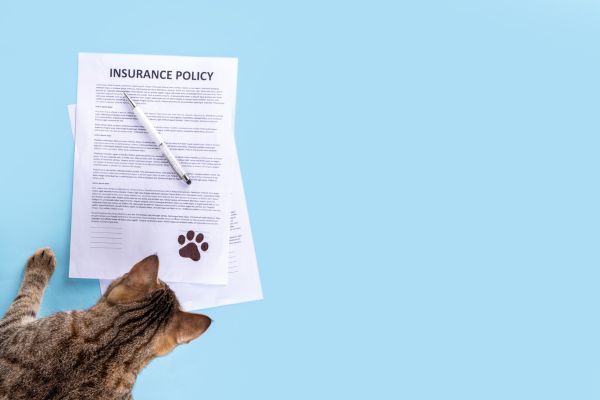
If you share your life with a cat, you already know one thing for sure: they’re experts at getting into trouble when you least expect it. One minute they’re napping in a sunbeam, the next they’re limping, coughing, or staring at you like something is very wrong. That’s where Cat insurance coverage quietly steps in and saves the day. Or at least your bank account.
Let’s be real. Vet bills can get expensive fast, and most of us aren’t prepared to drop hundreds or even thousands of dollars on short notice. Cat insurance coverage isn’t about being dramatic or pessimistic. It’s about being practical while still giving your cat the best care possible.
What cat insurance coverage really means
At its core, cat insurance coverage helps pay for veterinary expenses when your cat gets sick or injured. You pay a monthly premium, and when something happens, the insurance company reimburses a portion of the vet bill based on your plan.
The thing is, not all policies are created equal. Some focus mainly on accidents, while others cover a wider range of illnesses and even preventive care. Understanding how cat insurance coverage works before you sign up can save you frustration later.
Most plans operate on a reimbursement model. You pay the vet upfront, submit a claim, and then get money back. It’s simple in theory, but the details matter more than you might expect.
Why cat insurance coverage is becoming more popular
For a long time, cat owners didn’t really talk about insurance. Dogs, sure. Cats? Not so much. But that’s changing quickly. Veterinary medicine has advanced a lot, and while that’s great news for your cat’s health, it also means higher costs.
Emergency surgeries, diagnostic imaging, long-term medications, and specialist visits add up. Cat insurance coverage gives you the freedom to say yes to treatment instead of hesitating because of money. And honestly, that peace of mind alone is worth considering.
There’s also the emotional side of it. When your cat is sick, the last thing you want is to be doing mental math while the vet explains treatment options. Insurance removes at least one layer of stress from an already tough moment.
Types of cat insurance coverage you’ll encounter
Most cat insurance coverage falls into a few broad categories. Accident-only coverage is usually the most affordable. It helps with injuries from falls, bites, or other sudden accidents. It won’t cover illnesses, though, which is a big limitation for many cats.
Accident and illness coverage is the most common option. This type of cat insurance coverage includes injuries as well as conditions like infections, digestive issues, diabetes, and even cancer. For many cat owners, this strikes the right balance between cost and protection.
Some plans also offer wellness or preventive add-ons. These don’t usually come standard, but they can help cover routine care like vaccinations, annual exams, flea prevention, and dental cleanings. Whether these are worth it depends on your cat and your budget.
What cat insurance coverage usually includes
Most comprehensive cat insurance coverage includes diagnostic tests, hospitalization, surgery, prescription medications, and specialist care. Chronic conditions are often covered too, as long as they’re not considered pre-existing.
The details vary, of course. Some plans cap annual payouts, while others offer unlimited coverage. Deductibles can be annual or per condition. Reimbursement rates usually range from 70 percent to 90 percent.
Here’s where reading the fine print actually matters. A slightly higher monthly premium might save you a lot more in the long run if it comes with better coverage limits or fewer exclusions.
Understanding exclusions and limitations
No discussion of cat insurance coverage is complete without talking about what’s not covered. Pre-existing conditions are the big one. If your cat showed symptoms or was diagnosed before the policy started, most insurers won’t cover that condition.
Some plans also exclude hereditary or congenital conditions, although many newer policies are more flexible about this. Behavioral issues, breeding-related costs, and cosmetic procedures are usually not covered.
Waiting periods are another thing to watch out for. Coverage doesn’t start immediately after you sign up. There’s typically a short waiting period for accidents and a longer one for illnesses. It’s a small inconvenience, but it’s better to know upfront.
How much cat insurance coverage actually costs
The cost of cat insurance coverage depends on several factors. Your cat’s age plays a big role. Younger cats are cheaper to insure, and signing up early can lock in lower rates over time.
Breed can matter too, especially if certain breeds are more prone to specific health issues. Your location affects pricing as well, since veterinary costs vary by region.
On average, cat insurance coverage is more affordable than dog insurance. Many plans fall into a range that feels manageable, especially when compared to the potential cost of emergency care.
Choosing the right cat insurance coverage for your cat
Picking the right plan starts with understanding your cat. Is your cat indoor-only or an adventurous escape artist? Does your cat have a history of health issues? Are you looking for basic protection or more comprehensive coverage?
Think about your financial comfort zone too. A higher deductible usually means lower monthly premiums, but more out-of-pocket costs when something happens. A lower deductible costs more upfront but provides quicker reimbursement.
It helps to compare multiple providers side by side. Look at coverage limits, reimbursement percentages, exclusions, and customer reviews. Cat insurance coverage isn’t one-size-fits-all, so a little research goes a long way.
When cat insurance coverage is most valuable
Some people assume cat insurance coverage is only useful for emergencies. That’s partly true, but it’s also incredibly helpful for long-term conditions. Chronic illnesses like kidney disease or allergies require ongoing treatment, which can quietly drain your savings.
Insurance shines in these situations. Instead of worrying about every vet visit, you can focus on managing your cat’s health properly. Over time, those reimbursements can really add up.
Even if your cat is currently healthy, insurance is about preparing for the unexpected. Cats are masters at hiding pain, and problems often show up suddenly.
Common myths about cat insurance coverage
One common myth is that cat insurance coverage isn’t worth it because cats are low-maintenance. Anyone who’s dealt with a midnight emergency vet visit knows that’s not always true.
Another myth is that insurance companies never pay claims. While it’s true that policies have rules, most reputable providers pay claims as outlined in the policy. The key is understanding what you’re signing up for and following the claim process correctly.
Some people also believe it’s better to just save money instead of paying premiums. That works for some, but it requires discipline and time. Insurance offers immediate protection, which savings accounts can’t always match.
Tips to get the most out of cat insurance coverage
The earlier you enroll your cat, the better. Younger cats have fewer pre-existing conditions, which means broader coverage. Keep detailed veterinary records and submit claims promptly to avoid delays.
Review your policy annually. As your cat ages, your coverage needs might change. Adjusting deductibles or coverage limits can help keep your plan aligned with your budget and your cat’s health.
And don’t be afraid to ask questions. Insurance providers expect it, and getting clear answers upfront can prevent misunderstandings later.
Final thoughts on cat insurance coverage
At the end of the day, Cat insurance coverage is about protecting both your cat and yourself. It’s not about expecting the worst, but about being ready for whatever comes your way. Vet bills shouldn’t be the reason you hesitate to get care for a pet you love.
If you think of insurance as part of responsible pet ownership, it starts to make a lot more sense. Your cat relies on you for everything. Food, safety, comfort, and medical care. Having cat insurance coverage in place means you can focus on loving your cat, not stressing over finances.
And honestly, that peace of mind? It’s hard to put a price on.