

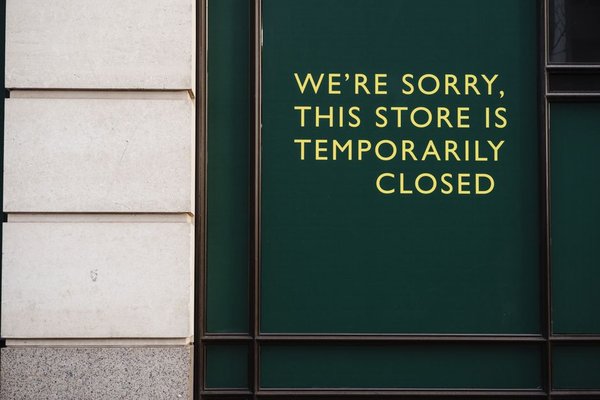
A business can survive a damaged building and still fail because its income disappears while repairs are under way. That is the gap business interruption insurance is designed to address. UK firms now also face cyber incidents, technology outages and supply-chain disruption. Allianz’s 2026 risk research ranks cyber incidents as the leading UK business risk and business interruption among the country’s top concerns.
Business interruption insurance does not simply pay whenever trading slows. Cover depends on the policy wording, the cause of the interruption and the financial loss that can be demonstrated.
What business interruption insurance covers
Business interruption insurance, often shortened to BI insurance, is intended to protect income when a business cannot trade normally after an insured event. In a typical UK commercial policy, the trigger is linked to physical damage covered under the property section, such as fire, storm or flood damage to premises or equipment.
The aim is usually to place the business, as far as the policy allows, in the financial position it would have been in had the insured event not occurred. Depending on the wording, a claim may include a shortfall in profit or income and reasonable increased costs of working. That makes it a form of trading loss cover, but not a guarantee against every cause of reduced revenue.
Businesses comparing loss of income insurance business options should check the definitions carefully. Terms such as gross profit, revenue and increased cost of working can have specific insurance meanings that do not always match ordinary management accounts.
The cause of the shutdown matters
A common misunderstanding is that any event stopping a business will activate the policy. In reality, the underlying cause normally has to be insured. If a café closes after a fire damages its kitchen, a standard BI section linked to insured property damage may respond. If the same café loses online ordering because a third-party cloud service fails, standard property-based BI cover may not respond unless the wording contains an appropriate extension or the loss falls under separate cyber cover.
This distinction matters in 2026. Cyber attacks, IT disruption and service outages can interrupt trading without causing traditional physical damage. UK businesses relying on e-commerce, cloud systems or payment processors should not assume their BI insurance UK package automatically covers these events. Cyber insurance or specialist cyber business interruption cover may be needed. A related guide on cyber insurance for small businesses would be a natural internal link.
What a valid claim may include
The exact settlement depends on the contract, but business interruption policies commonly focus on the financial effect of the insured event during the indemnity period. Cover may include lost profit or income, continuing fixed costs and additional expenditure reasonably incurred to keep the business operating.
Increased cost of working
This can include extra costs that reduce the interruption, such as renting temporary premises, hiring replacement equipment or paying for urgent services.
Extensions beyond your own premises
Some policies may include extensions for denial of access, damage at a key supplier’s or customer’s premises, or certain specified diseases. These extensions often have separate limits, conditions and definitions. Commercial property insurance is another useful internal topic for readers comparing how property damage and BI work together.
Why the indemnity period matters
The indemnity period is the maximum period for which the policy will compensate an insured interruption, subject to its terms and limits. Choosing it requires more than estimating how long repairs will take because a business may reopen before turnover returns to normal.
Consider a specialist furniture manufacturer hit by a serious fire. The building takes eight months to repair, but replacement machinery has a long lead time, customers have moved orders elsewhere and the sales pipeline takes months to rebuild. A 12-month indemnity period could end while the business is still recovering.
A practical way to test the period is to map the longest plausible recovery chain: investigation, clean-up, rebuilding, equipment replacement, supplier lead times, recruitment, regulatory approvals and the time needed to regain normal turnover.
How the loss is calculated
Policies set out a basis of settlement. A common approach compares the affected trading period with an earlier period, then adjusts for trends or circumstances that would have influenced results even if the insured event had not happened. The FCA notes that policy wording determines what can be claimed and that trends clauses can affect the calculation.
Accurate records therefore matter. Sales reports, management accounts, payroll data, tax records, contracts, forecasts and evidence of seasonal patterns can help show what the business would reasonably have earned.
What business interruption insurance may not cover
No single exclusion list applies to every policy. Common gaps can include interruptions caused by uninsured events, losses outside the indemnity period, amounts above policy limits and costs that cannot be evidenced. Ordinary poor trading and some utility, cyber or supplier failures may also fall outside standard wording unless an extension applies.
Business continuity insurance is sometimes used informally to describe BI protection, but insurance should not replace a continuity plan. Financial cover works best alongside alternative suppliers, secure backups and incident-response procedures. A broader business insurance essentials guide would be a useful internal link from this section.
Prepare before you need to claim
Review the policy at least annually and whenever the business changes significantly. Check insured causes, financial definitions, the indemnity period, limits, extensions, excesses and conditions. If turnover, premises, suppliers, equipment or digital dependence have changed, previous assumptions may no longer fit.
Keep important financial records backed up away from the main premises. After an incident, contact the insurer or broker promptly, follow the claims instructions, document the cause and timeline, and retain evidence of both lost income and extra costs.
Frequently asked questions
Is business interruption insurance compulsory in the UK?
No. It is generally optional rather than legally required, although a lender, landlord or commercial contract may require particular insurance arrangements.
Does business interruption insurance cover cyber attacks?
Not automatically. Traditional BI cover is often linked to insured physical damage. Cyber-related interruption may require a cyber policy, specialist extension or wording that specifically covers the digital event.
How long does business interruption insurance pay out?
It pays for an insured loss during the policy’s maximum indemnity period, subject to limits and conditions. The period should reflect how long the business could take to regain its pre-loss trading position, not merely reopen.
Can it cover a supplier disruption?
Some policies include supplier or dependency extensions, but the supplier, cause of damage, geographic scope and sub-limit may be tightly defined. Check the wording rather than assuming all supply-chain interruptions are covered.
Protect the recovery, not just the premises
Property insurance can repair a building or replace damaged equipment, but that does not automatically replace revenue lost while a business recovers. Business interruption insurance can fill that financial gap when the cause falls within the policy. The most useful cover is built around realistic recovery times, genuine dependencies and the events most capable of stopping trade. With cyber incidents and outages now central to operational risk, UK businesses should review both traditional BI and digital interruption exposure so a future shutdown does not become a preventable cash-flow crisis.