

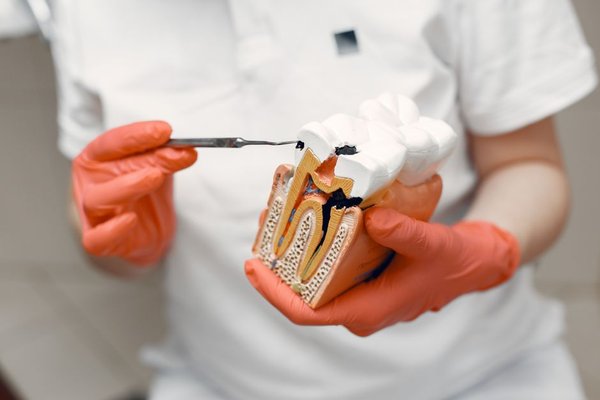
If your dentist says you need root canal treatment, the next question may be how to pay for it. Dental insurance for root canal treatment in the UK can help, but a policy that mentions “dental treatment” does not necessarily pay the whole bill. You need to check whether root canal work is covered, how much the insurer reimburses and whether a filling or crown afterwards uses the same allowance.
Does UK dental insurance cover root canal treatment?
Many policies include root canal treatment under restorative or major dental treatment benefits. It may also appear as endodontic treatment, the clinical term for work inside a tooth’s root canals. Some basic policies mainly fund check-ups and routine care, so never assume that root canal cover is included.
Reimbursement usually works in one of three ways: a percentage of the eligible bill, a fixed amount for a named procedure, or payment up to an annual benefit ceiling. An insurer might treat NHS and private dentistry differently. Read the benefits table alongside the exclusions rather than relying on a short marketing summary.
Why the final restoration matters as much as the root canal
A root canal removes infected tissue from inside a tooth, then cleans and seals the canals. The NHS says treatment often takes at least two appointments. Once completed, the tooth needs a suitable permanent restoration to protect it. That might be a filling or, particularly when the tooth is badly damaged, a crown.
This is where insurance surprises happen. A plan could cover the endodontic procedure but place crowns in a separate category, apply a smaller reimbursement percentage or exclude particular materials. Ask your dentist for an itemised estimate showing the examination, X-rays, root canal, temporary treatment, final filling, post or core if needed, and crown if recommended.
Not every root-treated tooth needs a crown, and the most expensive restoration is not automatically necessary. The dentist should explain the clinical reason for the proposed work and whether NHS and private options differ.
NHS and private root canal charges are not the same
In England, clinically necessary NHS root canal treatment is included in Band 2, listed by the NHS at £76.60. If a crown is needed as part of the same NHS course of treatment, Band 3 applies, currently listed at £332.10. You generally pay the highest applicable band charge for that course, not Band 2 plus Band 3. Eligibility for free care or help with charges can change what you owe.
These are England’s NHS charges, not UK-wide prices. Wales, Scotland and Northern Ireland have different dental charging arrangements. Private practices set their own fees, and a complex case referred to a private endodontist may cost more than routine treatment. Ask whether specialist fees fall within your endodontic treatment insurance terms before agreeing to the referral.
How policy benefit limits affect your payout
The headline percentage is only half the calculation. Check the annual restorative limit, any separate root canal or crown sub-limit, whether an excess applies and how much of your allowance you have already used. Some policies reimburse eligible NHS charges more generously than private fees.
Consider a hypothetical private quote of £750 for root canal treatment and £650 for a crown: £1,400 altogether. If a policy refunds 70% of eligible restorative costs but has only £500 of annual benefit remaining, the maximum payment would be £500, assuming both procedures qualify. You would pay £900 yourself. If the crown is excluded, the payout could be lower still. These figures illustrate claim maths, not typical treatment prices.
Request a written benefits breakdown from your insurer using the dentist’s proposed procedure names. This is more useful than simply asking, “Am I covered?” because it reveals whether restoration costs share a limit with the root canal.
Waiting periods and pre-existing dental problems
Policies may impose a waiting period before restorative claims are allowed. An existing painful tooth, a diagnosis made before cover started or treatment already recommended can also be excluded. Buying a policy after a dentist has confirmed you need a root canal is therefore unlikely to solve an immediate bill unless the insurer expressly confirms otherwise.
Check the precise definition of a pre-existing condition, not just the date your appointment takes place. Some policies also limit claims arising from the first dental examination or require documentation about prior dental care. Emergency dental benefits may have different rules and should not be confused with comprehensive root canal treatment cover.
How to claim without avoidable delays
Before treatment, ask the practice for a written plan and itemised quote. Contact your insurer with the treatment description, proposed dates and whether an NHS dentist, private dentist or specialist will provide it. Ask for confirmation of eligible procedures, waiting periods, excesses, remaining policy benefit limits and any requirement for pre-authorisation.
After treatment, retain the detailed receipt, proof of payment and any claim form or supporting clinical information the insurer requests. Most reimbursement policies expect you to pay the dentist first and claim afterwards; some arrangements operate differently. Submit the claim within the policy deadline and keep a copy of the insurer’s response in case anything needs clarification.
Insurance is not the same as a dental payment plan
A dental payment plan usually spreads routine care costs through regular payments to a participating practice. Depending on its level, it may include some restorative work, but specialist referrals and laboratory charges can be treated differently. Dental insurance instead normally reimburses eligible costs according to a policy schedule. Compare both against the price of paying directly and the NHS options available to you.
For broader planning, it helps to understand dental insurance waiting periods, NHS versus private dental treatment costs, and how dental insurance annual limits work. Those questions can affect more than one procedure in the same policy year.
Frequently asked questions
Does dental insurance pay for a crown after a root canal?
Sometimes. Crowns may be included under restorative dental treatment cover, subject to separate limits or the same annual allowance as the root canal. Check both procedure categories and ask if the recommended crown material is eligible.
Can I buy insurance after being told I need root canal treatment?
You can apply for a policy, but cover for an already diagnosed or recommended procedure may be excluded. A waiting period could also apply. Do not delay necessary dental assessment while looking for insurance.
Will an NHS root canal be refunded in full?
Some dental policies reimburse eligible NHS costs in full, while others have caps, waiting periods or exclusions. Reimbursement is governed by your contract, not the NHS treatment band alone.
Is private specialist root canal treatment covered?
It may be, but specialist fees can exceed a policy’s allowance or fall outside approved treatment rules. Obtain a specific coverage decision before booking where possible.
Making the right decision
The useful question is not simply whether a policy says “root canal”. It is how much you will recover for the complete clinical treatment, including the restoration, and when you can claim. Compare an itemised dental estimate with the actual policy terms, explore NHS eligibility where appropriate and prioritise timely care if your tooth is painful or infected.