

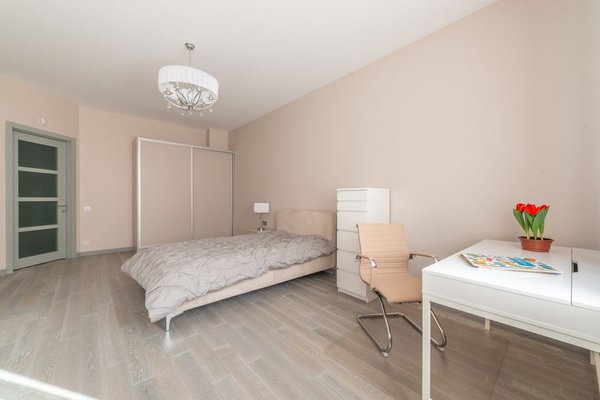
A furnished flat may come with a sofa, bed, dining table and even a television. Moving in is easier, but insurance can be confusing: if something is stolen or damaged, whose policy should pay? Renters insurance for furnished flats in the UK is mainly about protecting what belongs to you, not everything already inside the property.
The simplest approach is to separate ownership from responsibility. An item might belong to your landlord while you could still be responsible for accidentally damaging it.
Start with two different inventories
Tenant contents cover typically protects personal possessions against insured events such as theft, fire and certain types of water damage. That includes clothing, laptops, jewellery, bicycles and kitchen equipment you purchased. Even in a furnished flat, replacing those belongings could be expensive.
The bed, wardrobe or washing machine supplied under your tenancy belongs to the landlord. It is not normally insured under your personal contents policy simply because you use it.
Make one inventory of everything supplied with the flat and another of what you brought. Use the check-in inventory to settle grey areas such as lamps, curtains and microwaves. Keep photographs and receipts for your belongings.
What furnished flat insurance may cover
Your possessions at home
A renters contents policy may pay for your belongings after a covered event. Check theft conditions carefully: some policies require evidence of forced entry, while others apply different restrictions. Security arrangements in shared buildings can matter.
Look at single-item limits and overall limits for valuables. Expensive laptops, cameras and jewellery may need to be declared. Cover outside the home is often optional, so check before assuming a bag or phone is protected on your commute.
The building and permanent fixtures
Buildings insurance is generally arranged by the landlord, freeholder or another responsible building owner. It protects the structure and certain fixed features under the policy terms. Tenants do not usually buy buildings insurance for the home they rent.
Furniture owned by the landlord
Landlord furniture cover may be included in specialist landlord contents insurance, but it is not guaranteed. Some landlords insure the building without covering movable furnishings. Ask what protection is in place for supplied appliances and furniture rather than assuming it exists.
Accidental damage and tenants’ liability: the crucial difference
Imagine spilling coffee on a rug. If you bought the rug, optional accidental damage cover on your contents policy might help. If the coffee stains your landlord’s sofa, ordinary contents cover may not respond because the sofa is not yours.
Tenants’ liability cover can sometimes protect you against legal liability for accidentally damaging the landlord’s property. However, the wording varies. Some policies cover fixtures and fittings but exclude movable furniture; others include specified landlord contents. There may be exclusions, limits and excesses.
When considering cover for accidental damage tenants might cause, ask two questions. Does the policy cover accidents involving my own belongings? Does its tenants’ liability section cover damage to the landlord’s sofa, flooring and appliances? An affirmative answer to one does not mean both are insured.
Personal liability is another distinct feature, potentially covering claims by other people for injury or property damage in specified circumstances. A headline promising ‘liability cover’ does not explain which situations qualify.
Example: a leak in a furnished kitchen
Suppose the landlord’s washing machine develops a fault. Water damages your food processor, some clothes and the fitted kitchen flooring. Your contents insurer may consider the processor and clothing if the event is covered. Flooring damage normally concerns the building’s insurance arrangements.
The washing machine belongs to the landlord. Whether their insurer pays depends on the cause and their policy. If you negligently caused the leak, separate liability questions could arise; an unavoidable mechanical breakdown is different.
Photograph the damage, notify the landlord promptly and contact your insurer. Do not throw away damaged items before checking what evidence is needed. One incident can involve several types of insurance without every loss being covered.
What to check before purchasing cover
Calculate a realistic contents value
Work out the cost of replacing everything you own with comparable items, rather than using second-hand resale values. Avoid adding the landlord’s furniture to your sum insured unless the insurer specifically directs you to. Being underinsured can affect claim payments.
Read exclusions and excesses
Check restrictions covering gradual leaks, wear and tear, unoccupied periods and belongings kept in communal areas. Note the excess payable for each type of claim. The cheapest premium might not offer the protection you actually need.
Describe your living arrangement accurately
Tell the insurer if you rent a room, share with unrelated adults or use the flat for work. Some policies have requirements for bedroom locks or specific limits on business equipment. Accurate disclosure helps avoid disputes later.
You may also find our guides to choosing renters contents insurance, understanding tenant liability cover and protecting belongings in a shared flat useful when comparing policies.
Protect your deposit with evidence, not assumptions
A good inventory matters even when insurance is in place. At check-in, photograph scratches, stains and signs of ageing on supplied furniture. Ask the letting agent to correct any inaccurate descriptions. Repeat the photographs when leaving.
Normal wear and tear differs from damage you may be responsible for. A landlord should not automatically charge the full price of a new sofa to replace an old one. Evidence of condition, age and any actual damage matters when assessing a proposed deduction. Tenancy deposit procedures differ across the UK.
Frequently asked questions
Do I need renters insurance if the flat is fully furnished?
It is generally optional, but worth considering. The landlord’s insurance does not usually protect your clothes, electronics and other personal belongings.
Does my insurance cover the landlord’s sofa or bed?
Ordinary contents cover generally does not. Some tenants’ liability policies cover specified accidental damage to landlord-owned items. Check whether movable furniture is included.
Will insurance pay if I accidentally break the landlord’s television?
Not automatically. The damage must fall within an applicable insurance section, such as tenants’ liability that expressly covers landlord-owned contents, and satisfy its conditions.
Can a landlord deduct money for damaged furniture if they have insurance?
Potentially, where a deduction is justified. Insurance does not automatically cancel responsibility for damage. Fair wear and tear, the item’s condition and the evidence should all be considered.
Final thoughts
The useful distinction is between what you own and what you might be liable for damaging. Protect your belongings with suitable tenant contents cover, ask about insurance for furnished items, and inspect the tenants’ liability wording. Those checks can prevent costly misunderstandings when something goes wrong.