

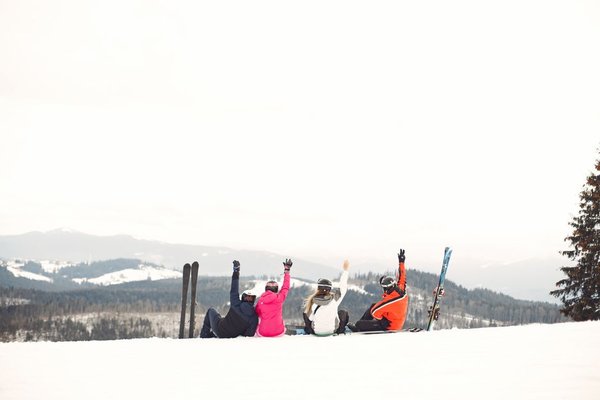
A ski or snowboarding holiday looks simple on the booking screen: flights, accommodation, lift pass and equipment hire. Yet insurance deserves just as much attention. Most ordinary travel policies do not automatically cover higher-risk winter activities, so relying on standard protection can leave a costly gap precisely when mountain rescue, specialist treatment or replacement equipment is needed.
Winter sports travel insurance adds protection for risks associated with skiing, snowboarding and related activities. However, the words “winter sports included” are only a starting point. Limits, exclusions and activity definitions vary, so check the policy wording against the trip you are actually taking.
Why Standard Travel Insurance May Not Be Enough
Regular travel insurance usually focuses on cancellation, emergency medical treatment, baggage loss and travel disruption. Skiing and snowboarding may involve expensive services outside an ordinary medical claim, including mountain rescue, helicopter evacuation and transport to a suitable hospital.
Winter sports are therefore commonly excluded unless a specific extension is selected. A suitable ski insurance UK policy should cover the destination, trip length and every planned activity. Do not assume recreational skiing includes freestyle parks, racing, glacier skiing, ski touring or heli-skiing.
Medical, Rescue and Repatriation Cover
Check the emergency medical limit and confirm that treatment following a skiing or snowboarding accident is included. The policy should also be reviewed for mountain rescue, ambulance transport, helicopter costs and repatriation to the UK when medically necessary.
A valid GHIC or older EHIC may provide access to medically necessary state healthcare in eligible European destinations, but it is not a replacement for travel insurance. It generally will not pay for private treatment, mountain rescue, lost belongings or repatriation.
Declare pre-existing medical conditions accurately through the insurer’s screening process. Missing relevant information can affect a claim. Anyone unsure about a diagnosis, medication or recent treatment should ask the insurer directly.
Check Every Planned Activity
The activity list is where policies often differ. Basic cover may include downhill skiing and snowboarding on recognised pistes, while other activities require an upgrade. Snowboard travel cover may not extend to terrain parks, jumps, competitions or professional instruction work.
On-Piste and Off-Piste Rules
Some insurers exclude off-piste skiing completely. Others allow it only within resort boundaries, when the area is officially open, or when accompanied by a qualified local guide. Avalanche warnings and local authority instructions may also affect cover.
If off-piste terrain is part of the plan, obtain confirmation before buying. The same applies to ski touring, backcountry routes and activities requiring specialist safety equipment.
Helmets, Alcohol and Local Rules
Some policies require a helmet even where local law does not. Resorts and countries can impose their own safety or liability rules, so check both destination requirements and insurance conditions.
Claims may be rejected or reduced when an accident involves intoxication, reckless behaviour or failure to follow resort instructions. Save drinking for after the day’s skiing has finished.
Winter Sports Equipment Cover
Skis, snowboards, boots, bindings and helmets can be expensive, whether owned or hired. Winter sports equipment cover may protect against theft, accidental damage, loss in transit and certain hire charges when baggage is delayed.
Check the maximum payout, single-item limit and whether depreciation applies to older equipment. Policies often exclude items left unattended, unsecured or stored in an unlocked vehicle. Keep receipts, hire agreements, baggage reports and police reports because evidence is normally required.
For hired equipment, confirm whether damage charged by the rental company is covered. A rental shop’s damage waiver may have different limits and exclusions.
Piste Closure, Avalanche and Ski Pack Protection
Piste closure insurance can provide a benefit when poor snow, excessive snow, high winds or another insured event closes facilities at the booked resort. Policies may require closure for a minimum period, apply only during the official season, or exclude trips booked when closure was already known or likely.
Some policies pay towards transport to an alternative resort, while others provide a fixed daily benefit. Read the definition carefully: one closed lift may not qualify if the wider ski area remains open.
Also look for avalanche delay and ski pack cover. Depending on the policy, ski pack protection may reimburse unused lift passes, lessons or equipment hire when illness or injury prevents participation. It will not usually respond simply because conditions are disappointing or you choose not to ski.
Personal Liability Matters
A collision can injure another person or damage their equipment. Personal liability cover may help with legal liability and compensation costs, subject to the terms. It is especially important in destinations where third-party liability insurance is required for skiers or snowboarders.
Check the liability limit and exclusions for competitive events, family members and activities outside the insured list. Always follow local slope rules and choose runs suited to your ability.
How to Compare Policies
Do not compare price alone. Review medical and rescue limits, cancellation cover, equipment limits, piste closure benefits, personal liability, excesses and the maximum number of winter sports days.
Annual multi-trip policies may cap each ski trip or the total covered days per year. Check the geographical area too, particularly for North American resorts, where medical costs can be high. Buying insurance soon after booking also means eligible cancellation protection can begin earlier.
Frequently Asked Questions
Does normal travel insurance cover skiing?
Often it does not. Many standard policies exclude skiing, snowboarding and other winter sports unless an add-on or specialist policy has been purchased. Always check the activity list and exclusions.
Does winter sports insurance cover off-piste skiing?
It depends on the insurer. Cover may be excluded or restricted to officially open areas, resort boundaries or trips with a qualified guide.
What does piste closure insurance pay for?
It may provide a fixed benefit or contribute towards travel to another ski area when qualifying facilities are closed. Minimum closure periods, seasonal dates and claim limits normally apply.
Are hired skis and snowboards covered?
Many policies include hired equipment, but limits vary. Check whether theft, accidental damage, delayed baggage and rental-company charges are included, and keep supporting documents.
Choose Cover for Your Actual Holiday
Winter sports travel insurance should reflect the destination, activities, equipment and experience level of the traveller. A policy suitable for an on-piste beginner may not work for someone planning a terrain park, guided off-piste day or ski tour.
Before paying, read the policy summary and full wording, declare medical conditions honestly, and ask the insurer to clarify anything uncertain. Careful checks before departure can prevent an insurance gap from becoming the most expensive part of the holiday.