

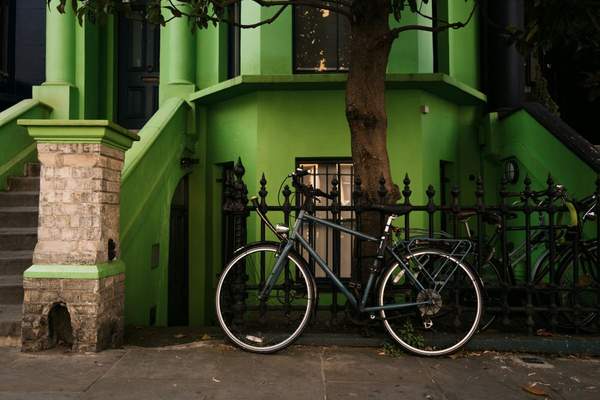
Your bicycle might be one of the most expensive things you own, yet its insurance protection can change the moment you wheel it out of your flat. A bike stolen from a locked bedroom, a communal hallway and a station rack can lead to three different insurance decisions. In the UK, renters insurance for bicycles generally means tenants’ contents insurance, but where you store the bike and how you secure it matter just as much as the policy name.
Does tenants’ contents insurance cover a bicycle?
Often, yes. A standard contents policy may cover a bicycle stolen from inside your home during an insured theft, or damaged there by an insured event such as fire. But some insurers impose separate bicycle limits, require expensive bikes to be named, or exclude certain storage locations. Check the policy wording and schedule rather than assuming all possessions receive identical protection.
Your landlord’s buildings insurance usually protects the property, not your personal bike. Even a landlord’s contents policy for a furnished flat typically insures the landlord’s belongings, not yours. Understanding tenants’ contents insurance is the first step towards protecting your own possessions.
Where the bicycle is stored matters
Inside your rented home
A bike kept in your locked flat is often in the clearest position for home contents cover, subject to theft conditions. Policies can distinguish a burglary involving forced entry from theft without evidence of entry. This may matter in a shared house where several people have keys.
Communal hallways, sheds and cycle stores
Shared storage is less straightforward. An insurer might classify a communal cycle room as an outbuilding, shared area or space outside the insured home. Each can attract different exclusions or payout limits. A locked building entrance may not be enough if the bike must also be secured to an immovable object.
Imagine keeping a £900 bicycle in your block’s fob-access cycle store. The door is locked, but the bicycle is not attached to a rack. If it disappears, a security condition could affect the claim. Ask your insurer about your actual storage arrangement before relying on bicycle cover for tenants.
What about theft while cycling away from home?
Home-only cover should not be confused with cycle theft insurance on the street. To protect your bike at work, outside shops or at a railway station, you may need a pedal-cycle extension or personal possessions cover. Some insurers call this away from home bicycle cover. Check that the add-on includes bicycles and the locations where you leave yours.
Also examine the geographical limits. Some policies protect bikes within the UK, while others offer overseas cover for a specified period. Theft while parked, damage in transit and accidental damage while riding can be treated differently. A policy covering theft outside a café may not cover crash damage.
Lock and security conditions can decide a claim
Insurers may require an approved lock, sometimes specifying a Sold Secure rating based on bicycle value. Some demand that the lock passes through the frame and attaches it to a fixed object. Locking only a removable wheel may breach that requirement. Check any overnight-parking and unattended-bicycle restrictions too.
Keep the lock receipt, record its rating and photograph how you secure the bicycle. At home, do not assume a communal door replaces an individual bike lock. UK police advice also recommends secure cycle parking and recording the frame number on an approved registration database. These precautions can help prevent theft and support a later report.
Value limits, named bikes and excesses
A contents policy may have both a general single-item limit and a different cap for bicycles. If yours is worth more, you might need to specify it individually or buy extra protection. Ask whether accessories and upgrades are included in its insured value.
The excess is your contribution to an accepted claim. For example, a £700 settlement subject to a £150 excess leaves £550 payable, assuming no further deductions. Check whether replacement is new-for-old or adjusted for age and condition. A claim can also affect future insurance premiums.
What is usually not covered?
Wear and tear, routine mechanical breakdown and deliberate damage are generally excluded. Problems can arise if a bike was left unlocked, secured with the wrong type of lock, or parked contrary to an unattended-cycle condition. Racing, delivery work and other commercial use can need separate insurance.
Electric bikes require a further check. Some insurers cover compliant pedal-assist e-bikes, but may restrict battery-related losses, modifications, values or the type of assistance provided. Do not assume that cover for a conventional bicycle applies to every electric model.
Contents add-on or specialist cycle insurance?
For a modestly priced bike used occasionally, extending existing contents insurance may be sufficient. Ask for a quote that identifies the bicycle’s value, theft away from home, accidental damage, excess and lock requirements. Compare the additional premium with the cost of replacing the bike yourself.
Specialist insurance may suit an expensive road bike, frequent commuting or cycling activities excluded by your home policy. Options such as accessories or public liability cover vary. Comparing personal possessions cover with specialist bicycle insurance can also prevent paying twice for overlapping protection.
What to do after a bicycle theft
Report the theft to the police promptly and obtain a crime reference number. Notify your insurer within its required timeframe. Gather purchase records, frame number, photographs, lock details and evidence of forced entry. If the bicycle is registered, update its stolen status.
Explain clearly where the bike was stored and how it was locked. If the insurer declines your claim, request the policy clause and reasons in writing. You can complain formally and may be able to refer an unresolved dispute to the Financial Ombudsman Service. An organised record makes making a contents insurance claim easier.
Frequently asked questions
Is bicycle cover automatically included in renters insurance?
No. Many contents policies cover bicycles at the insured home, but individual limits and exclusions vary. Check the schedule and whether your storage location qualifies.
Does insurance cover a bike stolen from a communal hallway?
Possibly. Shared areas can have stricter rules, including an approved lock securing the bike to a fixed object. Confirm the exact conditions with your insurer.
Do I need extra cover for cycling to work?
Often, if you want theft protection while your bike is parked away from home. Check commuting use, accidental damage and security terms separately.
Can I insure a second-hand bike?
Usually, if the insurer accepts its type and value. Keep evidence of purchase, photographs and the frame number, and ask how any claim would be valued.
The bottom line
Renters insurance can cover bicycles in the UK, but not necessarily every journey or storage location. Confirm where the bike is insured, the required lock, its item limit, your excess and protection away from home. Those details tell you far more than a headline promise of contents cover.