

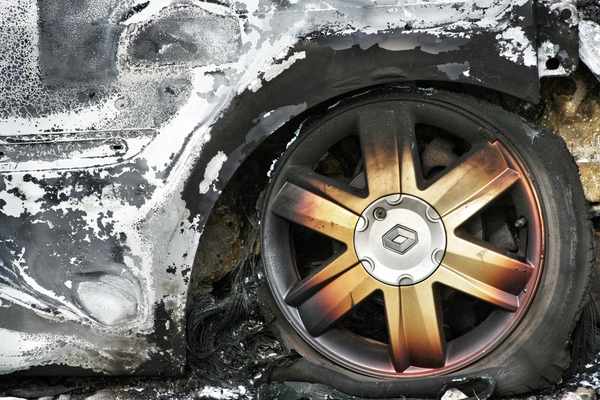
Third party, fire and theft insurance sits between the UK’s two better-known levels of car cover. It includes the legal protection you need for damage or injury you cause to other people, then adds cover if your own car is stolen or damaged by fire. What it does not usually add is cover for accident damage to your own car when you are at fault.
That distinction matters because the name can sound broader than the policy really is. TPFT insurance can be useful, but it should be compared with comprehensive cover rather than assumed to be the cheaper middle option.
What third party, fire and theft insurance covers
Damage or injury caused to other people
The third-party part is the foundation of the policy. In the UK, third party insurance is the minimum legal level of motor insurance for driving on public roads and in public places. If you cause a crash, your insurer can meet valid claims for injury to other people and damage to their vehicles or property, subject to the policy terms.
This protection is about your liability to others. If you cause an accident, the policy may deal with the other party’s losses while leaving you responsible for repairing or replacing your own car.
Theft and attempted theft
Unlike third party-only cover, TPFT insurance also protects your car against theft. Depending on the policy, this can include the vehicle being stolen and may include damage caused during an attempted theft. If the car is not recovered, settlement is normally based on the policy terms and the vehicle’s market value, less any applicable excess.
This makes it a form of theft protection car insurance, but exclusions still matter. Insurers may impose security requirements, and a claim can be affected if you breach policy conditions. Check the wording for keys, immobilisers, modifications and where the car is kept.
Fire damage
The other added protection is fire. A TPFT policy can cover damage if the insured vehicle is damaged by fire, although exclusions and claim limits depend on the insurer. If the vehicle is beyond economical repair, settlement is generally based on its current market value rather than what you originally paid.
What TPFT insurance normally does not cover
The biggest gap is accidental damage to your own car. If you cause a crash, scrape a bollard or damage the car while parking, TPFT normally will not pay to repair your vehicle simply because the damage happened during normal driving.
Other benefits should not be assumed. Windscreen cover, personal belongings, a courtesy car, legal expenses and breakdown assistance vary by policy. Vandalism unrelated to theft may also be excluded. The policy wording, not the label “third party, fire and theft”, determines the final scope.
If another insured driver causes an accident, you may still be able to recover your losses from that driver’s insurer. That is different from your own TPFT policy paying for accidental damage.
TPFT versus third party and comprehensive cover
Third party-only insurance covers your legal liability to others but does not normally cover your car if it is stolen, damaged by fire or damaged in a collision. TPFT adds fire and theft protection. Comprehensive insurance generally includes those protections and also covers accidental damage to your own vehicle, subject to exclusions and excesses.
For related reading, comprehensive car insurance explained and how car insurance excess works are natural internal links because they help readers compare the broader cover and understand what may be deducted from a claim.
Is third party, fire and theft cheaper?
Not necessarily. UK insurers price risk using many factors, including the driver, vehicle, address, claims history, mileage and intended use. The level of cover is only one part of the calculation. MoneyHelper also warns that third party, fire and theft is not always cheaper than comprehensive insurance.
This is why choosing mid-tier car cover first and checking the price second can backfire. Run like-for-like quotes for TPFT and comprehensive cover using the same driver details, voluntary excess and add-ons. If comprehensive costs the same or less, it may provide materially broader protection for your own car.
When can TPFT make sense?
TPFT may suit a driver who wants more protection than the legal minimum but is prepared to carry the financial risk of repairing their own car after an at-fault accident. It can also appeal where the vehicle’s value is modest but losing it entirely to theft or fire would still create a serious expense.
Consider a driver with an older car worth £3,000. They could afford a £600 repair after a parking mistake, but replacing the whole car after theft would be difficult. If a TPFT quote is meaningfully cheaper than comprehensive cover, accepting the collision risk while insuring against theft or fire might be a rational trade-off. If comprehensive is only slightly more expensive, the calculation changes.
The useful question is which losses you could realistically afford yourself. Car insurance coverage types is another useful internal-link destination for readers comparing all three levels.
Checks to make before buying a TPFT policy
Read the insurer’s policy wording before paying. Confirm the theft and fire excess, how the insurer values a stolen or written-off car, whether attempted-theft damage is covered, what security conditions apply and whether modifications or accessories must be declared.
Also make sure the policy matches how you use the car. Social-only cover is different from commuting or business use. Do not assume that having TPFT insurance automatically lets you drive someone else’s car. Driving-other-cars cover is policy-specific and, where included, is often limited to third-party protection.
Frequently asked questions
Is third party, fire and theft insurance legal in the UK?
Yes. It includes third-party liability cover, which meets the minimum legal insurance requirement, provided the policy is valid for you, the vehicle and the way you use it.
Does TPFT cover damage to my car in an accident?
Usually not when the damage is accidental and you are relying on your own policy. TPFT covers third-party liabilities plus theft and fire, not general collision damage to your own vehicle. You may still have a claim against another driver if they were responsible.
Does TPFT cover vandalism?
Do not assume it does. Damage connected with theft or attempted theft may be covered under some policies, while unrelated malicious damage may require comprehensive cover. Check the exact wording.
Can I drive another car with TPFT insurance?
Only if your policy specifically says you have driving-other-cars cover and you meet its conditions. Never rely on the fact that your own vehicle has TPFT cover as proof that you are insured to drive a different car.
The bottom line
Third party, fire and theft insurance is a distinct UK cover level: it protects other people when you are liable and adds protection for your own car against theft and fire. The trade-off is that accidental damage to your own vehicle is generally left with you.
Compare TPFT and comprehensive quotes side by side rather than assuming the middle level must offer the middle price. The right choice depends on the premium difference, your car’s value, the excess and how much loss you could comfortably fund yourself after an accident.